Noun Clause / Ag2 Noun Clauses By Augusto Casablanca
Get link
Facebook
X
Pinterest
Email
Other Apps
Noun Clause / Ag2 Noun Clauses By Augusto Casablanca. A noun clause is a dependent clause that acts as a noun. Start by looking at a sentence and trying to find a dependent clause. A noun clause is a subordinate clause that functions as a noun. A clause is a group of words that forms part of a sentence and that contains a subject and a predicate. I'm elizabeth o'brien, and my goal is to get you jazzed about grammar.
Noun clauses consist of a clause preceded by a subordinating conjunction. A noun clause is a dependent clause that acts as a noun. A noun clause is a dependent clause. A noun clause is a subordinate clause that functions as a noun. It might be a noun clause.
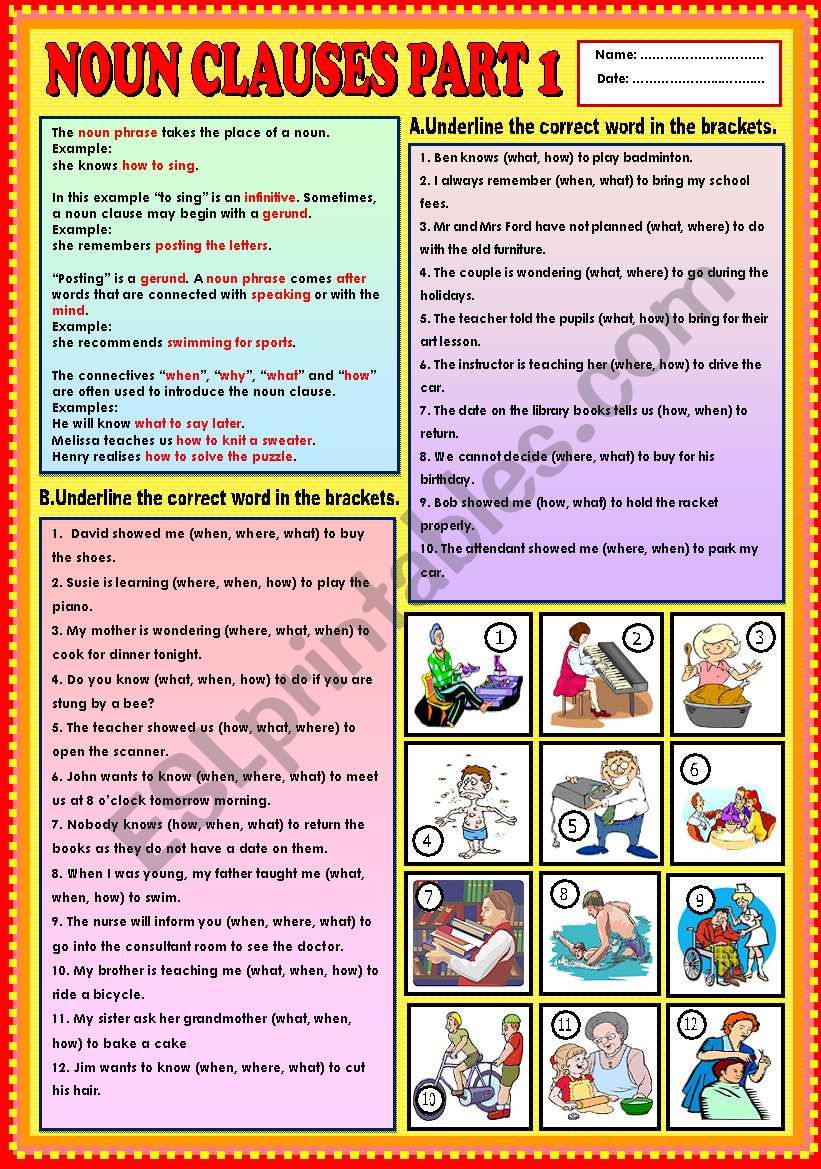
Noun Clauses Part 1 What When How And Where Key Esl Worksheet By Ayrin from www.eslprintables.com Start by looking at a sentence and trying to find a dependent clause. The noun clause is a clause that functions like a noun in the sentence. Relative clause / adjective clause. A noun clause is a dependent clause that acts as a noun. It might be a noun clause. A clause used as a part of speech is called a subordinate clause. Since it is a dependent clause, it can't stand on its own and give a complete meaning. Noun clauses are clauses that function as nouns.
Noun clauses can play the role of a subject complement.
A noun clause is a dependent clause that consists of a subordinating conjunction followed by a clause and that performs a nominal function. In this lesson, we'll look at the dependent clause and its. A noun clause is a subordinate clause that functions as a noun. A noun clause is a dependent clause that works as a noun in a sentence. A noun clause can act as a subject complement. Like all clauses, a noun clause contains a subject (sometimes represented by one of the words above) and a predicate (a verb and any additional information attached to it). They're cool because the whole clause acts as a what are noun clauses? A noun clause is a dependent clause. Subject complements provide a further description,\ or clarification of a subject. (the noun clauses are underlined). A noun clause is a clause that plays the role of a noun in a sentence. A noun clause is always a dependent clause, meaning it's a part of the sentence that can't stand on its own as an independent thought. A clause is a group of words that forms part of a sentence and that contains a subject and a predicate.
It is a subordinate clause. Basically, a noun clause functions just like a noun. Noun clauses are a type of subordinate clause. Nouns can function as subjects, direct objects, indirect objects, object. Noun clauses begin with words such as how, that, what, whatever, when, where, whether, which, whichever, who, whoever, whom, whomever.
Noun Clauses Definition Examples Exercises Albert Io from www.albert.io Nouns can function as subjects, direct objects, indirect objects, object. As a noun clause does the work of a noun, it can be subject to a sentence, object of a transitive verb, object of a preposition, apposition to a noun, or complement to a linking verb. Because it functions as a noun, this clause can be a subject, direct object, indirect object, object of a preposition, predicate nominative. What the english teacher said was downright inspiring. Noun clauses will contain a subject and a verb, but they cannot stand alone in a sentence. A noun clause refers to a clause that serves the same purpose as a noun and is usually dependent. Basically, a noun clause functions just like a noun. Mia told him that she would go out.
Noun clauses are a type of subordinate clause.
A subject complement says something about the subject. Based on this grammatical premise, we see that a noun has three functions: Mia told him that she would go out. Like all clauses, a noun clause contains a subject (sometimes represented by one of the words above) and a predicate (a verb and any additional information attached to it). A noun clause is a type of dependent clause that acts as the noun with a purpose to name a person, place, thing, or idea. The noun clause is a clause that functions like a noun in the sentence. Examples and definition of a noun clause. A noun clause starts with a conjunction like that, what, who, which, how, why, whom, whose, when, where, whether, whenever, wherever, whichever, if … A noun clause is a clause (containing a subject and a verb) that can replace a noun. Having trouble finding the subject or object in a sentence? A clause is a group of words containing a subject and a verb. A noun clause is a dependent clause that works as a noun in a sentence. A noun clause is a clause that plays the role of a noun in a sentence.
The examples below show how they are used: Remember that a noun names a person, place, thing, or idea. Noun clauses will contain a subject and a verb, but they cannot stand alone in a sentence. A noun clause is a subordinate clause. A noun clause is a clause that functions as a noun.
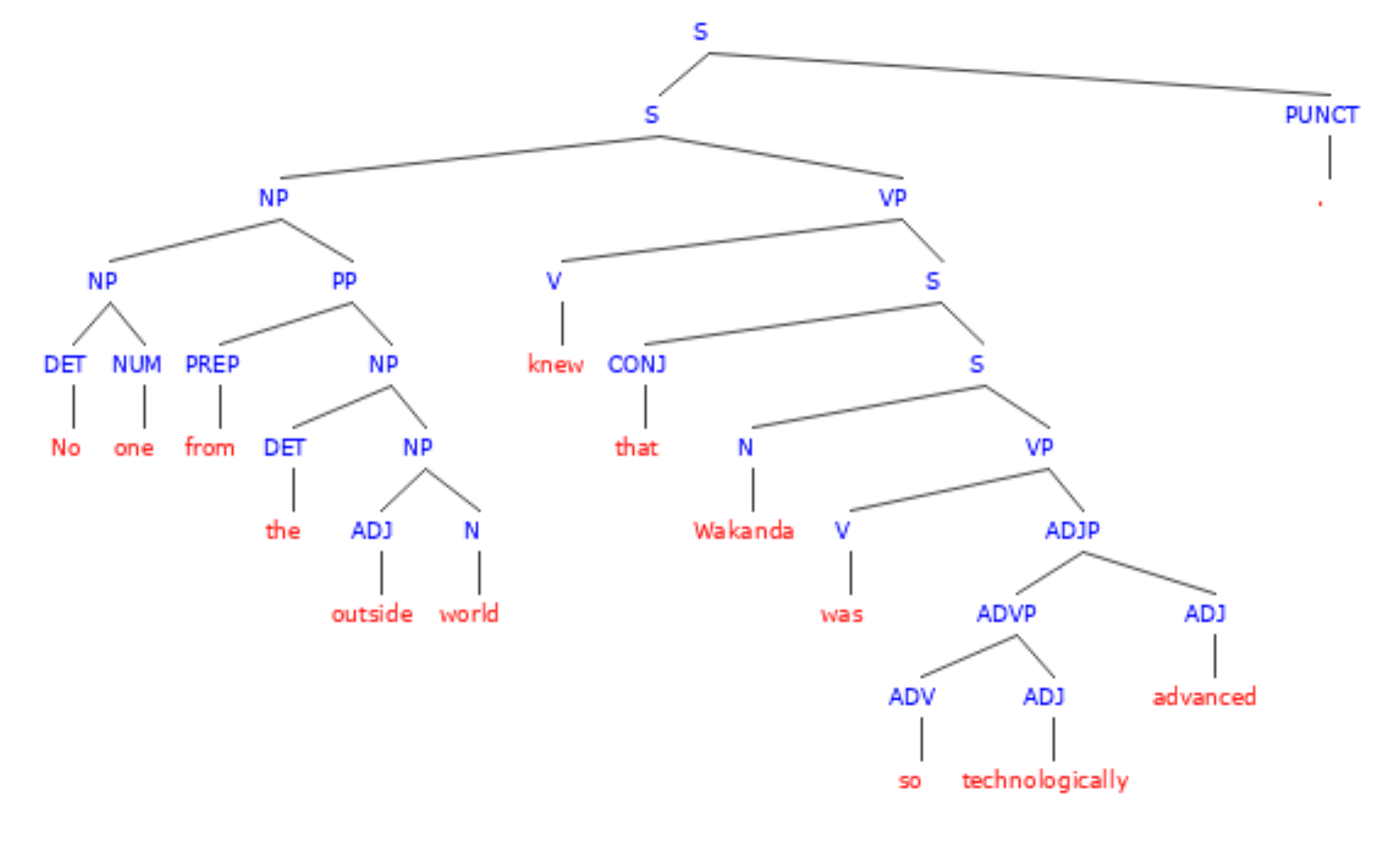
Noun Clauses Essential Uses And Easy Examples Englishdotcom from englishdotcom.net (the noun clauses are underlined). A noun clause cannot stand alone since it does not express a complete thought. A noun clause is a dependent (or subordinate clause) that works as a noun. A noun clause is a clause (containing a subject and a verb) that can replace a noun. A subject complement says something about the subject. Mia told him that she would go out. (this noun clause is used as a subject.) the wonderful thing about english teachers is that they all get along so. Like all clauses, a noun clause has a subject and a verb.
A noun clause can act as a subject complement.
That means it cannot stand alone. I'm elizabeth o'brien, and my goal is to get you jazzed about grammar. Subject complements provide a further description,\ or clarification of a subject. Noun clauses can play the role of a subject complement. Noun clauses consist of a clause preceded by a subordinating conjunction. Since it is a dependent clause, it can't stand on its own and give a complete meaning. As the object of a verb, including the object of an. A noun clause is a dependent clause that works as a noun in a sentence. A noun clause is a type of dependent clause that acts as the noun with a purpose to name a person, place, thing, or idea. A noun is the name of a person, place, thing, or idea. A noun clause is a dependent clause that consists of a subordinating conjunction followed by a clause and that performs a nominal function. The two forms of noun clauses in the english language are finite noun clauses and nonfinite noun clauses. (this noun clause is used as a subject.) the wonderful thing about english teachers is that they all get along so.




Comments
Post a Comment